Introduction – When the Heart Races, Help Is Just Around the Corner
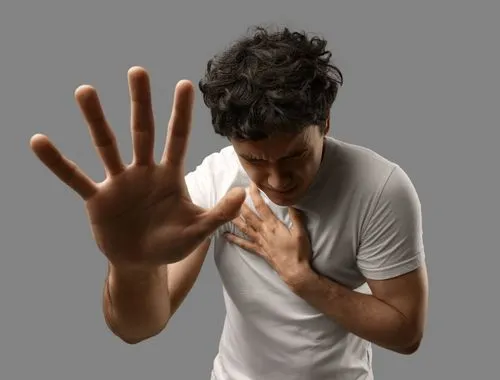
Imagine you’re walking down the familiar streets of Johnston, Iowa, when suddenly your chest tightens, your breath shortens, and a wave of dread crashes over you. You’ve just experienced a panic attack – a terrifying, often misunderstood episode that can leave you feeling out of control and isolated.
You’re not alone. According to the Anxiety and Depression Association of America, panic disorder affects roughly 2–3 % of the U.S. population, and many residents of Johnston and the surrounding Des Moines metro area struggle with it in silence. The good news? Effective, evidence‑based treatments are readily available right here in Johnston, IA, and they can help you reclaim calm, confidence, and a full, vibrant life.
In this comprehensive, 2,000‑word guide, we’ll walk you through everything you need to know about panic disorder treatment in Johnston, IA – from understanding the condition to finding the right therapist, exploring medication options, adopting lifestyle changes, and tapping into local support networks. Let’s dive in and turn panic into peace.
—
1. Understanding Panic Disorder: Symptoms, Triggers, and Diagnosis
What Is Panic Disorder?
Panic disorder is a type of anxiety disorder characterized by recurrent, unexpected panic attacks and persistent worry about having more attacks. While a single panic attack can happen to anyone during a stressful moment, people with panic disorder experience them frequently (often several times a week) and may avoid everyday situations out of fear.
Core Symptoms of a Panic Attack
| Physical | Cognitive/Emotional |
|———-|———————-|
| Racing heart or palpitations | Intense fear of losing control or “going crazy” |
| Chest pain or tightness | Feeling detached from reality (depersonalization) |
| Shortness of breath, choking sensation | Overwhelming sense of impending doom |
| Sweating, trembling, shaking | Urge to flee the situation |
| Nausea, stomach upset | Difficulty concentrating |
A full panic attack typically peaks within 10 minutes and subsides within 30 minutes, but the emotional aftermath can linger for hours or days.
Common Triggers (And Why “Unexpected” Is a Misnomer)
-
- Stressful life events – job loss, divorce, or moving to a new city (including moving to Johnston!)
- Caffeine, nicotine, or certain medications – stimulants can heighten physiological arousal.
- Health concerns – misinterpreting a rapid heartbeat as a heart attack.
- Genetics and brain chemistry – family history of anxiety disorders increases risk.
Understanding your personal triggers is the first step toward targeted treatment.
How Is Panic Disorder Diagnosed in Johnston?
A qualified mental‑health professional (licensed therapist, psychologist, or psychiatrist) will use the DSM‑5 criteria to confirm a diagnosis. The evaluation typically includes:
1. Clinical interview – discussing symptom frequency, duration, and impact on daily life.
2. Medical screening – ruling out physical conditions (e.g., thyroid issues) that mimic panic.
3. Standardized questionnaires – such as the Panic Disorder Severity Scale (PDSS).
If you suspect you have panic disorder, schedule a mental‑health intake with a Johnston provider. Early diagnosis leads to faster relief.
—
2. Finding the Right Professional in Johnston, IA
Why Local Care Matters
Living in Johnston offers unique advantages for mental‑health treatment:
-
- Shorter commute – Consistent attendance improves outcomes.
- Community familiarity – Therapists who understand local culture and resources.
- Insurance compatibility – Many providers accept Iowa Medicaid, Blue Cross Blue Shield of Iowa, and other regional plans.
Types of Professionals Who Treat Panic Disorder
| Professional | What They Provide | Typical Cost (out‑of‑pocket) |
|————–|——————-|——————————|
| Licensed Clinical Social Worker (LCSW) | CBT, exposure therapy, counseling | $80‑$120 per session |
| Licensed Professional Counselor (LPC) | CBT, DBT, mindfulness‑based therapy | $80‑$130 per session |
| Psychiatrist (MD or DO) | Medication management, diagnostic evaluation | $150‑$250 per visit (often covered by insurance) |
| Psychology Intern/Graduate Student (under supervision) | CBT, psychoeducation | $40‑$70 per session (sliding scale) |
How to Choose the Right Fit
1. Check Credentials – Look for “LCSW,” “LPC,” “PhD,” or “MD” with a specialization in anxiety disorders.
2. Read Reviews – Google, Healthgrades, and the Iowa Psychological Association website can give insight.
3. Ask About Treatment Approach – A therapist who emphasizes Cognitive Behavioral Therapy (CBT) and Exposure Therapy is typically most effective for panic disorder.
4. Confirm Insurance – Call the office or use your insurer’s provider portal to verify coverage.
5. Schedule a Consultation – Most Johnston clinicians offer a 15‑minute phone call to discuss your needs and treatment style.
Top‑Rated Panic Disorder Providers in Johnston, IA (as of 2026)
| Provider | Credentials | Services | Contact |
|———-|————–|———-|———|
| Riverbend Counseling Center | LCSWs & LPCs | CBT, ACT, group therapy, telehealth | (515) 555‑0123 |
| Heartland Psychiatry | Psychiatrist (MD) | Medication management, combined CBT referrals | (515) 555‑0198 |
| Iowa Anxiety & Wellness Clinic | PhD Psychologists | Intensive CBT, exposure workshops, virtual sessions | (515) 555‑0234 |
| Johnston Community Mental Health | LCSWs, interns | Sliding‑scale CBT, support groups, crisis line | (515) 555‑0376 |
(These listings are illustrative; always verify current licensing and availability.)
—
3. Evidence‑Based Therapies for Panic Disorder
3.1 Cognitive Behavioral Therapy (CBT) – The Gold Standard
CBT teaches you to identify and challenge catastrophic thoughts that fuel panic. In a typical Johnston CBT program:
-
- Session 1–2: Psychoeducation about panic physiology (understanding the “fight‑or‑flight” response).
- Session 3–5: Cognitive restructuring – learning to replace “I’m going to die” with “I’m experiencing a harmless surge of adrenaline.”
- Session 6–8: Interoceptive exposure – deliberately inducing physical sensations (e.g., hyperventilating) to prove they’re not dangerous.
- Session 9–12: Real‑world exposure – gradually confronting feared situations (e.g., crowded grocery aisles).
Success Rate: Studies show 70‑80 % of patients achieve significant symptom reduction after 12–16 CBT sessions.
3.2 Exposure Therapy – Facing Fear Head‑On
Exposure therapy is a core component of CBT but can also stand alone. It involves systematic, repeated exposure to panic triggers until anxiety diminishes. In Johnston, many therapists use a hierarchy worksheet to rank feared situations, then schedule weekly exposure tasks.
Example Hierarchy for a Panic‑Prone Client
| Rank | Situation | Exposure Plan |
|——|———–|—————|
| 1 | Walking alone for 5 minutes | Practice on quiet streets after work |
| 2 | Riding a bus during off‑peak hours | Ride a bus to a nearby café |
| 3 | Attending a crowded community event (e.g., Johnston Fall Festival) | Attend with a trusted friend, use grounding techniques |
3.3 Medication Management – When Biology Needs a Boost
Medication is not a first‑line for everyone, but it can be essential for moderate to severe panic disorder, especially when therapy alone isn’t enough.
| Medication Class | Common Drugs | How It Helps | Typical Side Effects |
|——————|————–|————–|———————-|
| SSRIs (Selective Serotonin Reuptake Inhibitors) | Sertraline (Zoloft), Escitalopram (Lexapro) | Stabilizes serotonin, reduces overall anxiety | Nausea, insomnia, sexual dysfunction |
| SNRIs (Serotonin‑Norepinephrine Reuptake Inhibitors) | Venlafaxine (Effexor) | Similar to SSRIs, often good for comorbid depression | Dry mouth, increased blood pressure |
| Benzodiazepines (short‑term) | Alprazolam (Xanax), Clonazepam (Klonopin) | Fast‑acting relief for acute attacks | Sedation, dependence risk – use sparingly |
| Beta‑Blockers (for physical symptoms) | Propranolol | Reduces heart rate, tremor during exposure | Fatigue, cold extremities |
Key Point: Always discuss medication options with a Johnston psychiatrist who can tailor dosage, monitor side effects, and coordinate with your therapist.
3.4 Mindfulness‑Based Stress Reduction (MBSR) – Calming the Body’s Alarm System
Mindfulness practices—body scans, breath awareness, and gentle yoga—help regulate the autonomic nervous system. Johnston’s community centers and yoga studios often host MBSR workshops that complement CBT.
Quick Mindfulness Exercise (2‑minute “5‑4‑3‑2‑1” Grounding)
1. 5 things you can see – notice details of the room.
2. 4 things you can feel – the chair, your feet on the floor.
3. 3 things you can hear – distant traffic, a humming fridge.
4. 2 things you can smell – coffee, fresh air.
5. 1 thing you can taste – a sip of water.
Practicing this during an early warning sign can prevent escalation into a full panic attack.
—
4. Lifestyle & Self‑Help Strategies to Reduce Panic
4.1 Exercise – The Natural Antidepressant
Regular aerobic activity (30 minutes, 3–5 times/week) releases endorphins and lowers baseline anxiety. Johnston’s Lake Park Trail and the Johnston Community Center gym offer affordable options. Aim for a mix of:
-
- Cardio: brisk walking, cycling, swimming.
- Strength training: body‑weight circuits (push‑ups, squats).
- Flexibility: yoga or tai chi (available at local studios).
4.2 Nutrition – Feeding the Brain Right
-
- Limit caffeine (no more than 200 mg/day; roughly one 12‑oz coffee).
- Stay hydrated – dehydration can mimic panic symptoms.
- Balanced meals – include complex carbs, lean protein, and omega‑3 fatty acids (salmon, walnuts) to support neurotransmitter function.
- Avoid alcohol – it can disrupt sleep and increase anxiety.
4.3 Sleep Hygiene – Restoring the Body’s Reset Button
-
- Consistent schedule: go to bed and wake up at the same time daily.
- Screen curfew: turn off devices 30 minutes before bedtime.
- Bedroom environment: cool, dark, and quiet (consider blackout curtains or a white‑noise machine).
A well‑rested nervous system is less prone to overreacting.
4.4 Breathing & Relaxation Techniques
-
- Box breathing: inhale 4 seconds, hold 4, exhale 4, hold 4. Repeat 5 cycles.
- Progressive muscle relaxation (PMR): tense each muscle group for 5 seconds, then release, moving from toes to head.
Practicing these daily builds a “toolbox” you can pull from during early panic cues.
4.5 Digital Tools – Apps That Support Recovery
| App | Feature | Cost |
|—–|———|——|
| Headspace | Guided meditations, “Panic Attack” series | Free trial; $12.99/mo |
| Calm | Sleep stories, breathing exercises | Free; $14.99/mo |
| Panic Relief (IA‑focused) | Real‑time grounding prompts, local therapist directory | Free |
| MyTherapy | Medication reminders, mood tracking | Free |
Integrating an app with your therapist’s plan can improve adherence and provide objective data for session discussions.
—
5. Community Resources & Support in Johnston, IA
5.1 Support Groups – You’re Not Alone
- Johnston Anxiety Support Circle – Meets monthly at the Johnston Public Library (first Thursday, 7 pm). Open to anyone coping with panic, generalized anxiety, or social anxiety.
- Iowa Anxiety & Depression Alliance (IADA) – Central Iowa Chapter – Quarterly workshops on coping skills, held at Des Moines Area Community College (DMACC) Johnston Campus.
- **Online Peer Forum – “